Author: Christiana Briddell

Amgen

Improving Efficiency and Sustainability of the Olpasiran Drug Substance Process

Improving Efficiency and Sustainability of the Olpasiran Drug Substance Process

2026 Peter J. Dunn Award for Green Chemistry & Engineering Impact in the Pharmaceutical Industry – Large Molecule

Amgen‘s Olpasiran team is recognized for developing a more efficient and environmentally responsible manufacturing process for olpasiran, a GalNAc‑conjugated siRNA therapeutic. Guided by green chemistry principles, the team streamlined multiple stages of the synthetic route, including starting material preparation, GalNAc ligand synthesis, and the conjugation process. Through targeted optimization, hazardous solvents and reagents were replaced with safer, lower‑risk alternatives, while maintaining or improving process yields. These enhancements were successfully demonstrated at multi‑kilogram scale (>30 kg), ensuring both scalability and robustness.

The optimized process delivers substantial sustainability benefits: up to a 37% reduction in E‑factors and more than 25% reduction in solvent and waste at peak production levels. This work highlights how thoughtful process redesign can significantly decrease environmental impact while enabling reliable, large‑scale manufacturing of advanced RNA therapeutics.

Amgen

Team Members

  • Janine Tom
  • Edward Helbling
  • Meagan Hackey
  • Timur Berilo
  • Amanda Stahl
  • Shea O’Sullivan
  • Heather Johnson
  • Andrew Cosbie
  • Bharath Venkatram
  • Yan Chen
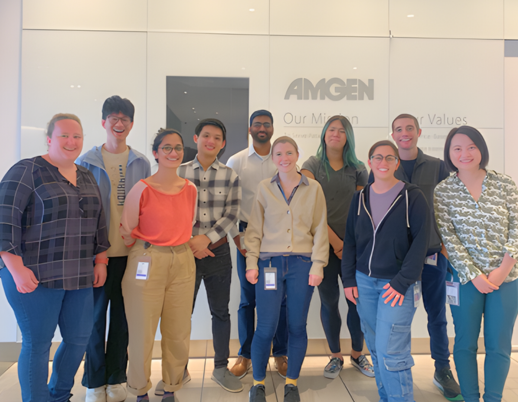
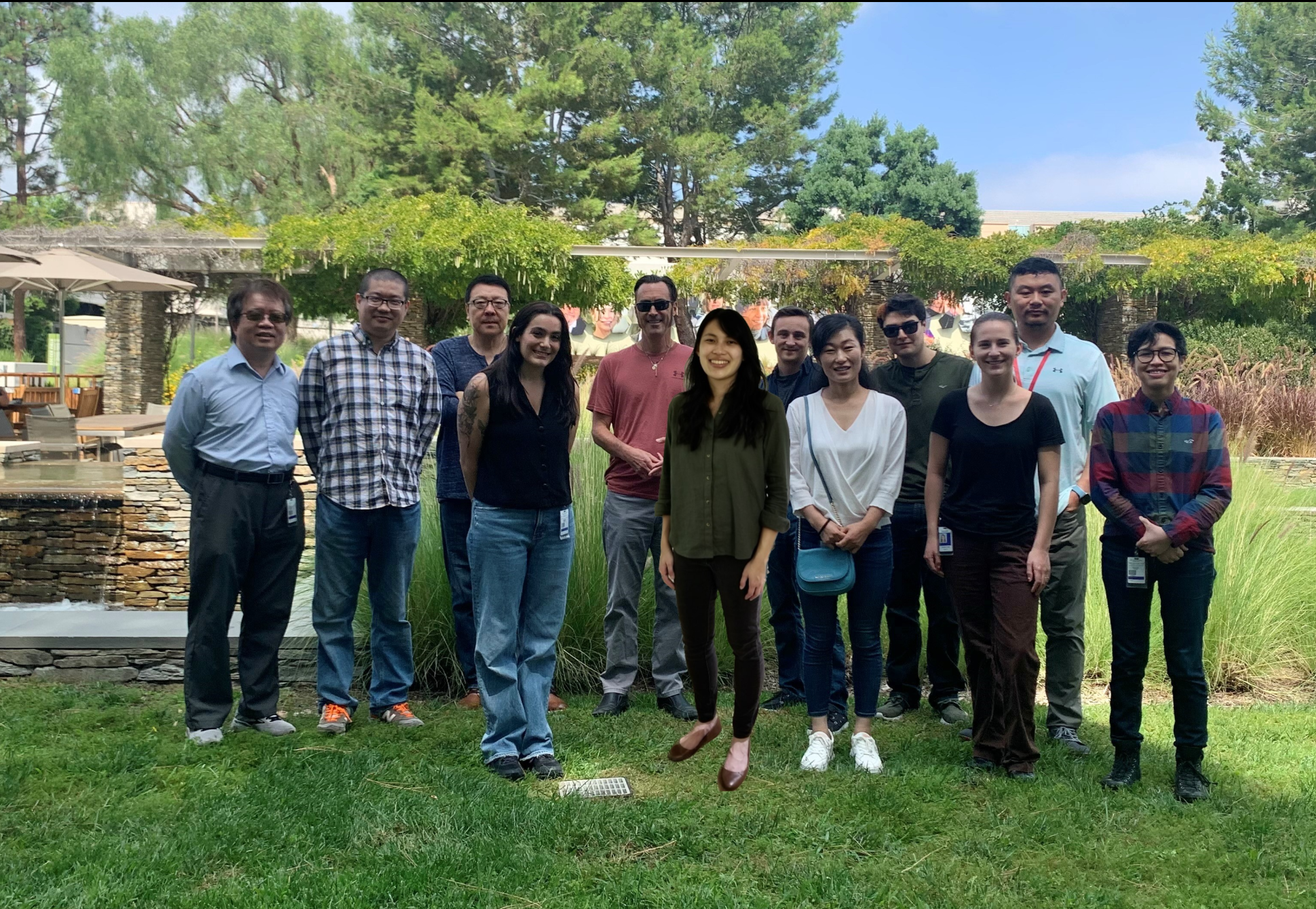
Amgen's Olpasiran team Amgen‘s Olpasiran team

More about the Award

The Peter J. Dunn Award, established in 2016, recognizes outstanding industrial implementation of novel green chemistry and/or engineering in the pharmaceutical industry that demonstrates compelling environmental, safety, cost, and/or efficiency improvements over current technologies.

This annual award is presented at the Green Chemistry & Engineering Conference, where presenters are invited to share their innovations. 

Continue reading

Bristol Myers Squibb

Sustainable Manufacturing of Repotrectinib API – BMS-986472

Sustainable Manufacturing of Repotrectinib API – BMS-986472

2026 Peter J. Dunn Award for Green Chemistry & Engineering Impact in the Pharmaceutical Industry – Small Molecule

The Bristol Myers Squibb team is recognized for a breakthrough redesign of the manufacturing route for Repotrectinib (BMS 986472) API, delivering major sustainability and efficiency gains through green chemistry innovation. By integrating retrosynthetic redesign with environmentally conscious process optimization, the team achieved a fourfold yield improvement, from 11% to 45%, while reducing isolations from ten to six and fully eliminating dioxane and all halogenated solvents and reagents. The introduction of a second-generation biocatalytic route for a key raw material further demonstrates a shift toward cleaner, renewable, low-impact technologies.

These combined efforts drove 43–73% reductions across multiple life cycle assessment metrics, including cycle time, cost per kilogram, Process Mass Intensity, Mass Net, energy consumption, CO₂ emissions, and water depletion. The project showcases how sustainable design and operational excellence can coexist to deliver greener, more responsible pharmaceutical manufacturing.

Bristol Myers Squibb

Team Members

  • Richard Fox
  • Steven Wisniewski
  • Adam Freitag
  • Yichen Tan
  • Daniel Treitler
  • Hester Dang
  • Geoff Purdum
  • Bilal Hoblos
  • Troy Wilkens
  • Keming Zhu
  • Yiming Yang (Asymchem)

More about the Award

The Peter J. Dunn Award, established in 2016, recognizes outstanding industrial implementation of novel green chemistry and/or engineering in the pharmaceutical industry that demonstrates compelling environmental, safety, cost, and/or efficiency improvements over current technologies.

This annual award is presented at the Green Chemistry & Engineering Conference, where presenters are invited to share their innovations. 

Continue reading

AstraZeneca

High-throughput Experimentation Enabled Late-stage Functionalization as a Tool for Sustainable Chemistry

High-throughput Experimentation Enabled Late-stage Functionalization as a Tool for Sustainable Chemistry

2026 Green Discovery Chemistry Award

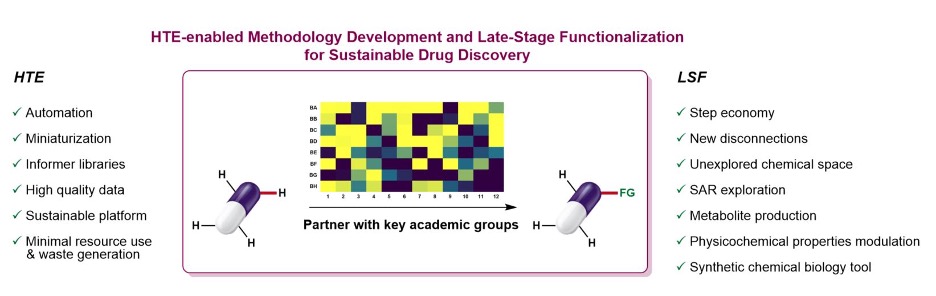
The AstraZeneca team based in Gothenburg, led by Magnus Johansson, has been recognized for developing a powerful suite of high‑throughput experimentation (HTE)–enabled late‑stage functionalization (LSF) methods that significantly advance sustainable medicinal chemistry. LSF allows direct modification of complex molecules, reducing synthesis steps, protecting‑group use, and overall process mass intensity. By integrating automation, nanomolar-scale miniaturization, and informer libraries, the team minimized waste, solvent consumption, and experimental inefficiency.

Key achievements include cobalt‑catalyzed C–H methylation with benign boron donors, iridium‑catalyzed ortho C–H amination optimized using greener solvents, and ruthenium‑catalyzed C–H amidation enabling rapid linker installation. They also created a meta‑selective C(sp²)–H alkylation platform using sp³‑rich reagents to fine‑tune drug‑like properties. Finally, they shared a unified approach to meta‑methyl and fluoroalkyl drug-like analogues, reducing the number of synthetic steps by up to seven and avoiding PFAS‑classified intermediates.

Together, these integrated HTE‑enabled LSF technologies provide scalable, greener pathways to complex, property‑enhanced molecules while substantially reducing energy use, materials consumption, and hazardous waste.

HTE-enabled Methodology Development and Late-Stage Functionalization for Sustainable Drug Discovery AstraZeneca

Team Members

  • Magnus J. Johansson
  • Daniele Antermite
  • Stig D. Friis
  • Elisa Y. Lai
  • Erik Weis
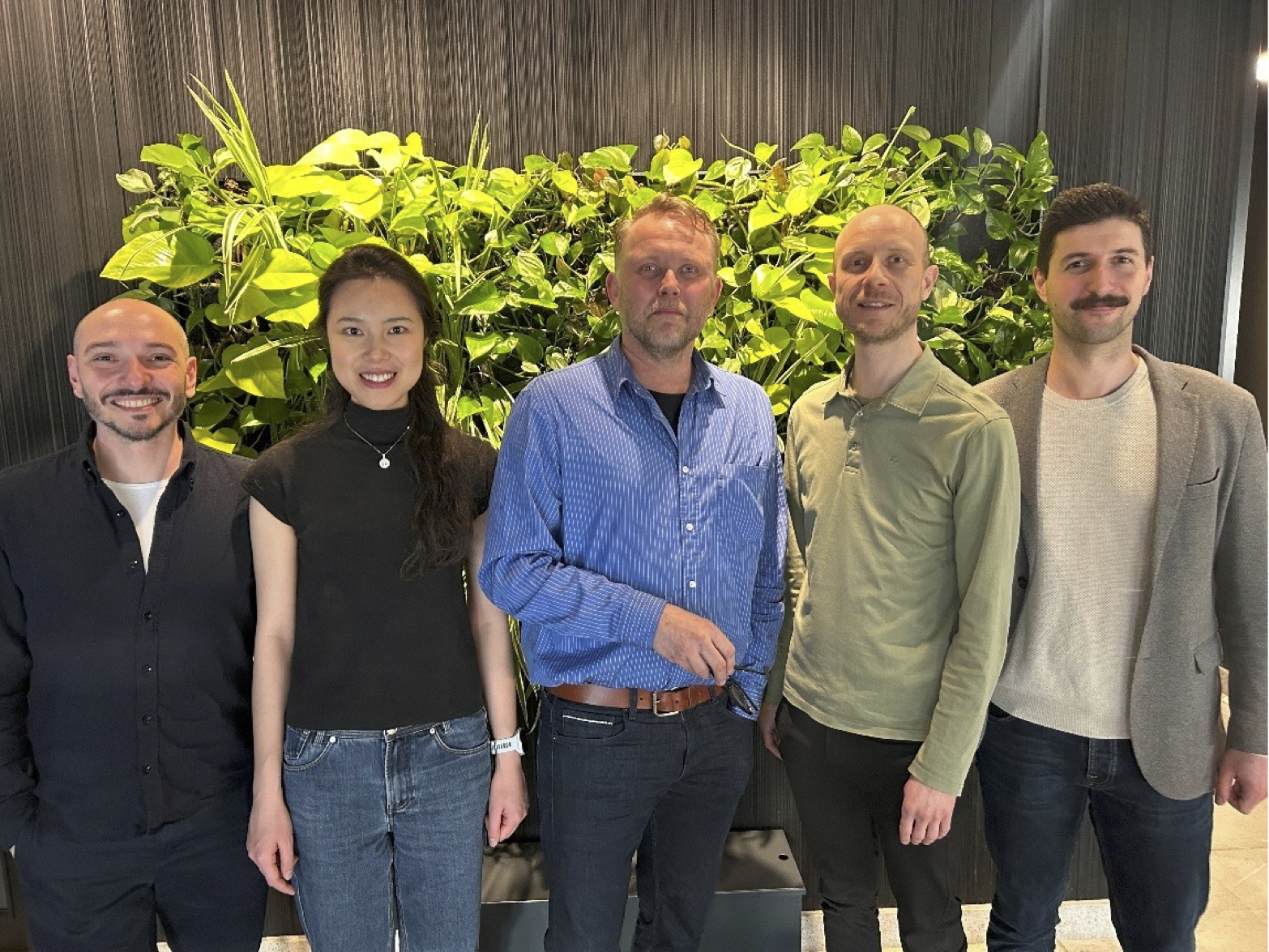
The winning team consists of Magnus J Johansson, Daniele Antermite, Stig D Friis, Elisa Y Lai and Erik Weis.

More about the Award

The Green Discovery Chemistry Award recognizes outstanding efforts in discovery chemistry that demonstrate compelling environmental, safety, and/or efficiency improvements through green chemistry and engineering. This annual award is presented at the Green Chemistry & Engineering Conference, where a member of the winning team is invited to share their team’s innovations.

Continue reading

Aralez Bio

A Biocatalysis Platform for Large‑Scale Noncanonical Amino Acid Manufacturing

2026 CMO Excellence in Green Chemistry Award

The Aralez Bio team is honored for developing a pioneering biocatalysis platform that enables large‑scale, sustainable manufacturing of noncanonical amino acids (ncAAs), critical building blocks in next‑generation therapeutics. Traditional chemical synthesis of ncAAs is often resource‑intensive, inefficient, and environmentally burdensome. Aralez Bio’s technology overcomes long‑standing challenges in biocatalysis, including reaction reversibility, high aqueous volumes, complex downstream processing, and enzyme instability. Their specialized platform supports streamlined, stable, and highly efficient enzymatic transformations.

Within the past year, Aralez Bio expanded its capabilities to include hundreds of additional ncAAs and successfully demonstrated kilogram‑scale production, delivering 20–50 kg batches of key targets. Their biocatalytic processes significantly reduce electricity use, CO₂ emissions, hazardous chemical uses, and overall environmental impact compared with conventional chemical routes. Beyond operational sustainability, Aralez Bio’s ncAAs provide a bio‑based alternative to petroleum‑derived materials, further advancing greener therapeutic development.

Aralez Bio

Team Members

  • Tina Boville
  • David Romney
  • Francis Arnold (CalTech)
  • Bjorn Traag
  • Siobhan MacArdle
  • Nichole Pedowitz
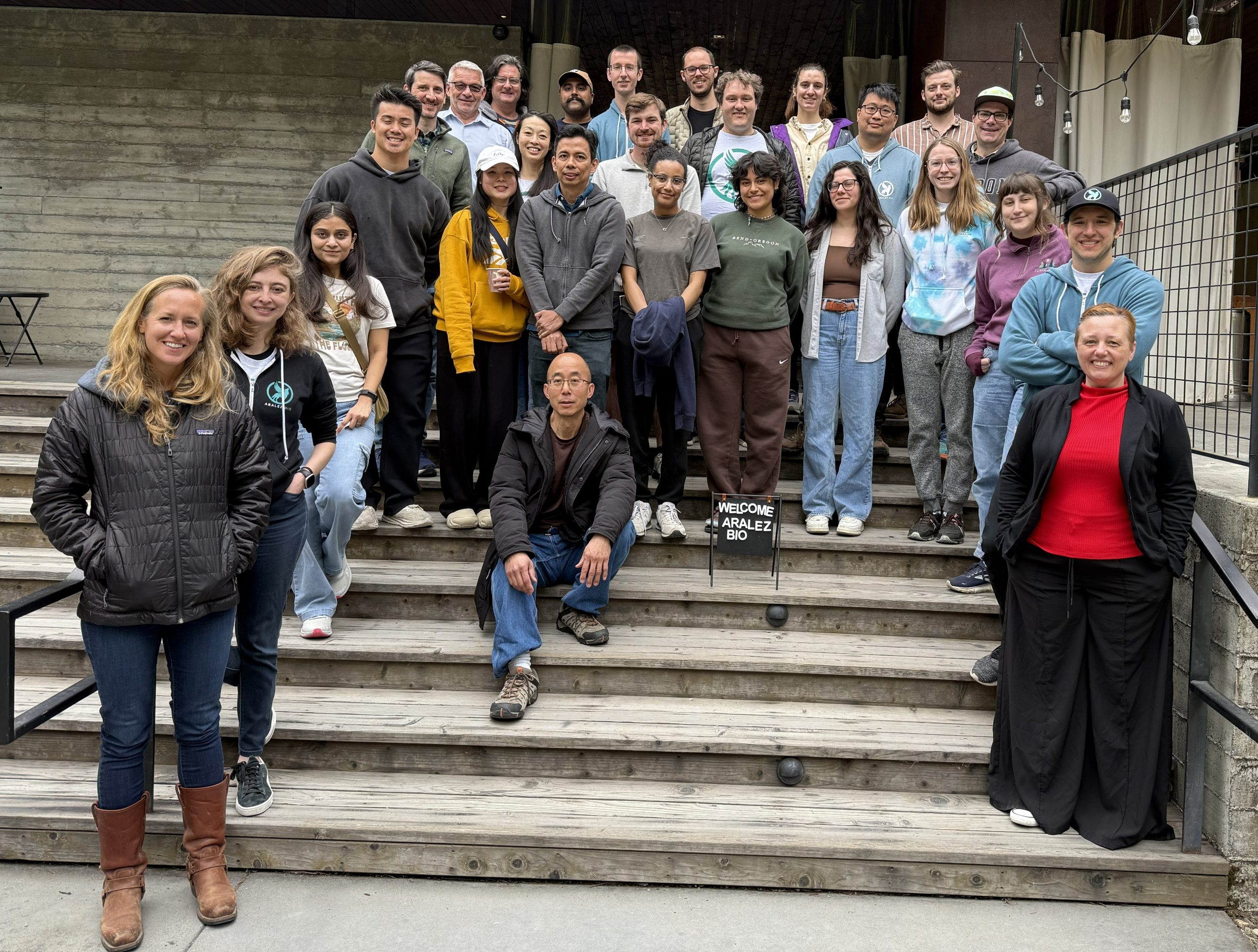
Aralez Bio team members Siobhan and Nichole. Aralez Bio Team

More about the Award

The CMO Excellence in Green Chemistry Award seeks to recognize outstanding efforts by CMO companies in pharmaceutical green chemistry in support of pharmaceutical research, development, and manufacturing that demonstrate compelling environmental, safety, and/or efficiency improvements.

This annual award is presented at the Green Chemistry & Engineering Conference, where presenters are invited to share their innovations. 
Continue reading

EPFL

Saturn‑RXN: Generative Molecular Design with Steerable and Granular Synthesizability Control for Greener Chemical Synthesis

2026 Data Science and Modeling for Green Chemistry Award

The team at École Polytechnique Fédérale de Lausanne (EPFL) in Switzerland recognized for SaturnRXN, an advanced generative molecular design framework that brings sustainability constraints directly into AI driven discovery. While traditional generative models create novel structures without regard for real world synthesis, SaturnRXN integrates explicit reaction rules and green chemistry criteria into the design process. Using a sample efficient language model combined with reinforcement learning, the system proposes property optimized molecules that also satisfy key synthesis requirements such as avoiding hazardous transformations, minimizing steps, or mandating biobased or waste derived building blocks.

The approach directly aligns with core Green Chemistry principles, supporting atom economy, waste reduction, the use of renewable feedstocks, and safer reaction pathways. In a case study, SaturnRXN successfully designed viable new molecules derived from industrial waste streams, demonstrating its potential to create sustainable yet high value chemical matter.

This “sustainable by design” paradigm offers a transformative path for pharmaceutical and agrochemical innovation by coupling human expertise with AI guided, greener synthesis planning.

EPFL

Team Members

  • Víctor Sabanza-Gil
  • Jeff Guo
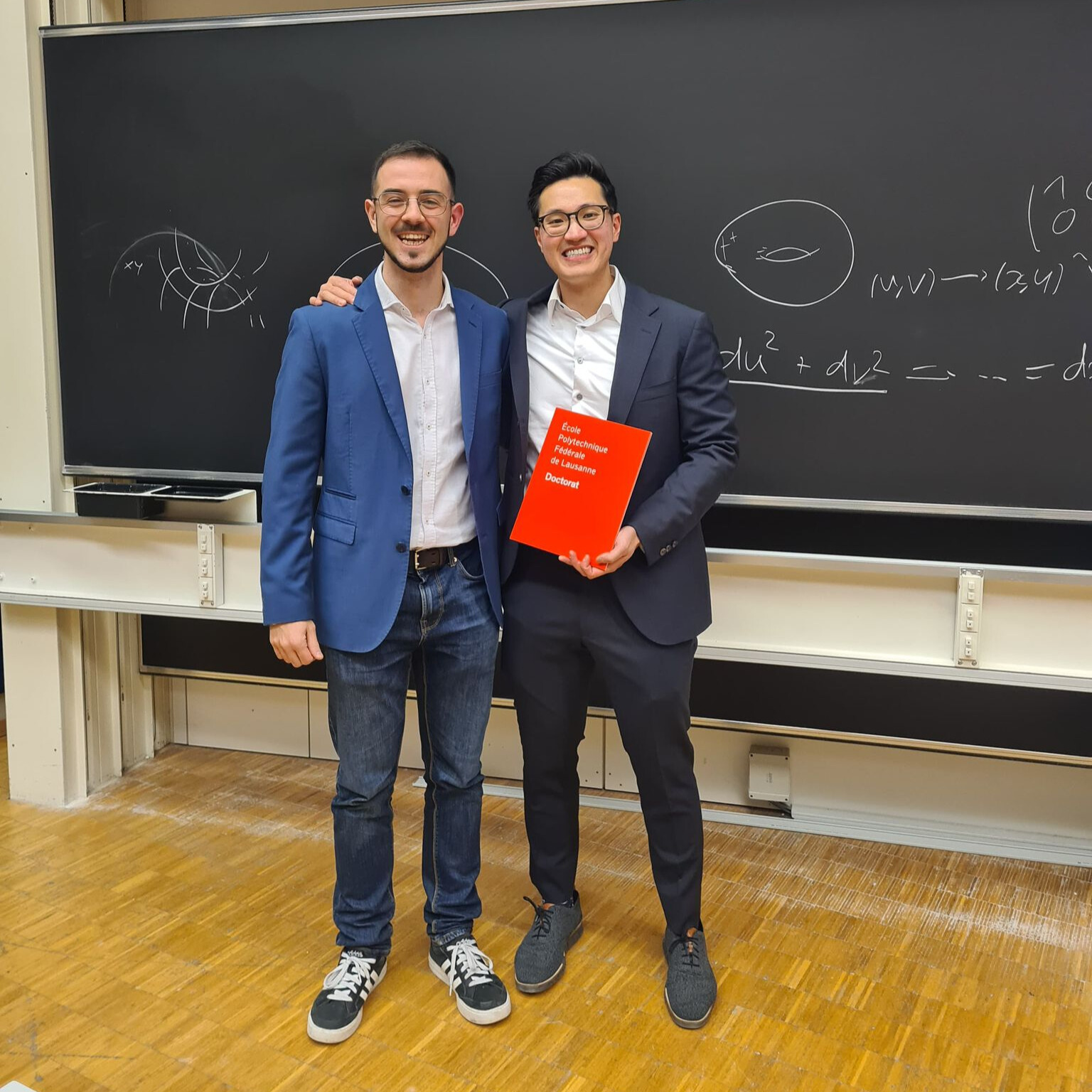
EPFL Saturn Team

More about the Award

The Data Science and Modeling for Green Chemistry Award aims to recognize the research and development of computational tools that guide the design of sustainable chemical processes and the execution of green chemistry that demonstrates compelling environmental, safety, and efficiency improvements over current technologies in the pharmaceutical industry and its allied industrial partners.

This annual award is presented at the Green Chemistry & Engineering Conference, where presenters are invited to share their innovations. 
Continue reading

Good Health and Well-Being: Advancing Good Health through Innovative Chemistry

At ACS, we are committed to improving lives through the transformative power of chemistry, and in this session, we aim to leverage this power to advance U.N. SDG 3: Good Health and Well-Being. Aligned with this goal, this symposium will bring together researchers focused on reducing the environmental and health impacts of medicines and commercial chemicals, working toward a healthier, more sustainable future for all. This interactive session aims to inspire adoption of a holistic approach to research and development related to the production of chemicalsboth pharmaceuticals and industrial chemicalsthat align with the principles of “One Health.”

Experts from industry, academia, and government will explore the current and future frontiers of producing medicines with minimal environmental footprints, identifying the fundamental research areas that will drive innovations in this field. Additionally, the session will highlight how cutting-edge tools and methods used in the design, synthesis, and production of sustainable medicines can be extended to the creation of safer commercial chemicals. A key feature of this session will be a poster session and reception where early-career researchers will present their work, fostering collaboration across academia and industry. This interactive discussion aims to encourage joint efforts to advance sustainable chemical practices, furthering the impact of research on Good Health and Well-Being.

When: Monday, August 18, 2025
Where: Ballroom C, Walter E. Washington Convention Center

Session Organizers: Isamir Martinez & Sederra Ross, ACS GCI

Good Health and Well-Being

GC&E Conference

Presented at the

This session will be presented at ACS Fall 2025, which will be held in Washington, DC, on August 17-20, 2025.  Learn more: www.acs.org/events/fall

Continue reading