Biocatalysis Guide

Introduction

The increasing complexity of active pharmaceutical ingredients (APIs) demands efficient and sustainable synthesis routes, prompting the pharmaceutical industry to adopt innovative methodologies. Biocatalysis has emerged as a particularly attractive solution, as it enables streamlined syntheses under mild reaction conditions with intrinsically safer reaction profiles compared with conventional chemistry.

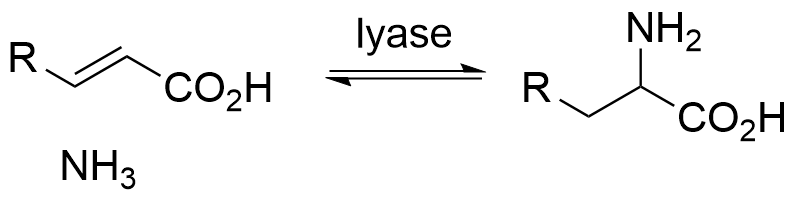
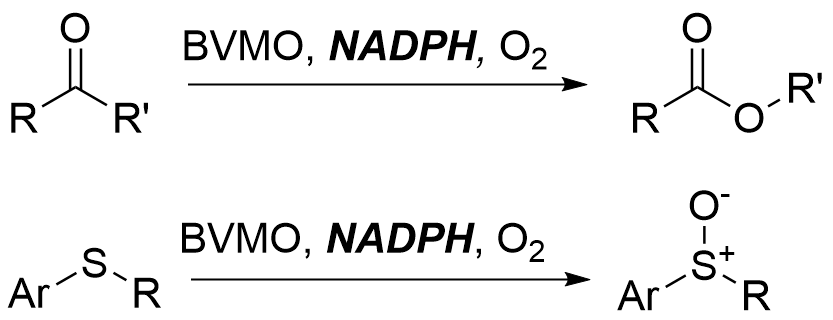
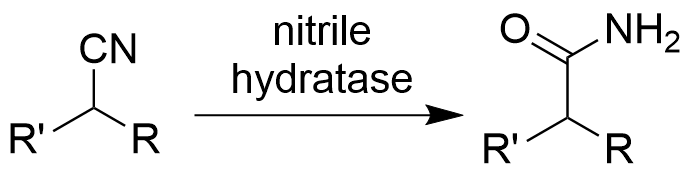
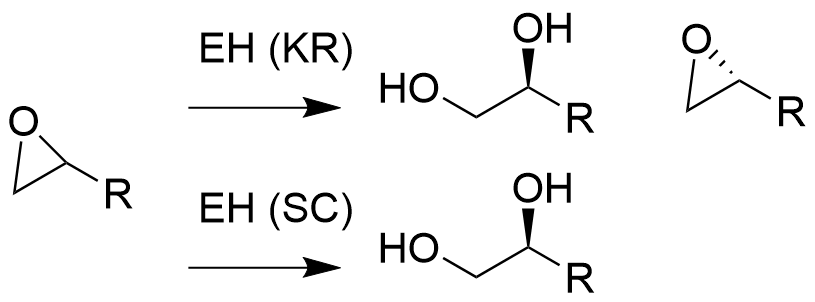
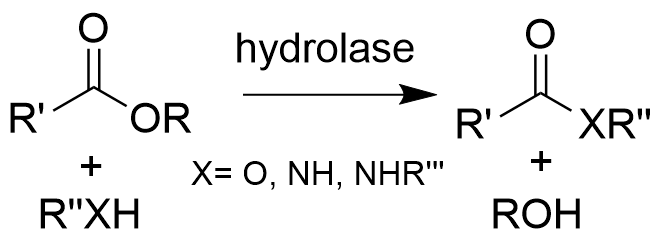
The ACS Green Chemistry Institute Pharmaceutical Roundtable (GCIPR) has developed a Biocatalysis Guide to provide a quick reference to the most common enzyme classes used in the pharmaceutical industry for retrosynthetic analysis. This high-level visual guide gives the enzyme description, substrate scope rating, and a generic reaction scheme. Updated in 2026, enzymes and reactions are now ordered based on the number of peer reviewed publications at various scales.

Name

[generic; specific examples]

Scheme
Key info

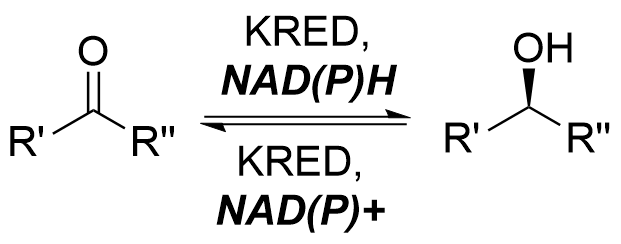
Cofactor:
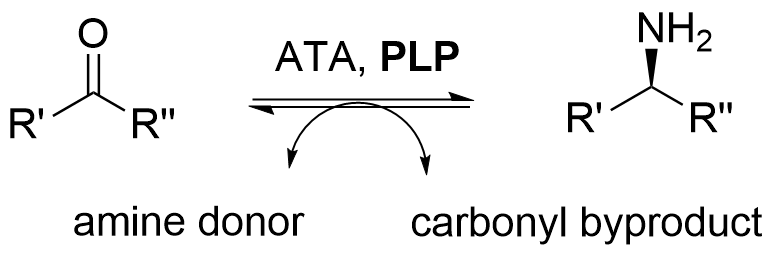
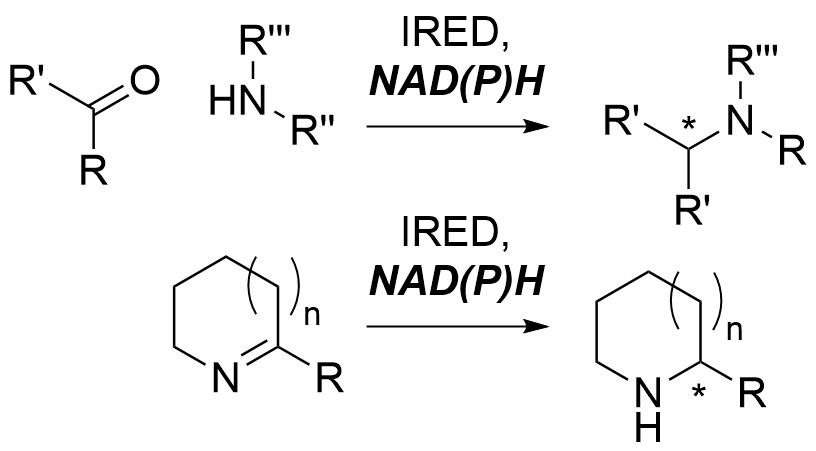
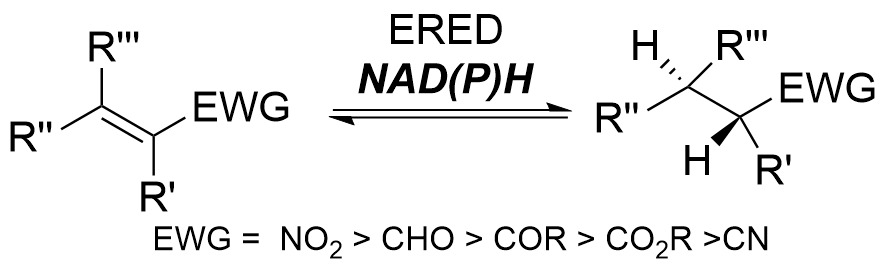
Bold = cofactor or sub-stoichiometric additive/enzyme
Bold + Italics = cofactor that requires a recycling system

Substrate scope:
Broad to Medium to Limited

Most commonly used biocatalytical transformations

≥2 Peer reviewed examples of reactions scaled to ≥ 1 kg, or multiple double digit gram. Enzymes available at > 100 g scale
≥ 2 Peer reviewed examples of reactions scaled to ≥ 10 g
Unspecific peroxygenase

[UPO]

Fungal heme containing enzymes use hydrogen peroxide as oxidant and require no cofactors. They have varying oxidative capabilities including:

Hydroxylation, epoxidation, N- or S- oxidation, bromination, dealkylation
medium substrate scope

≥ 1 Peer reviewed example of reactions scaled to multi-mg
References

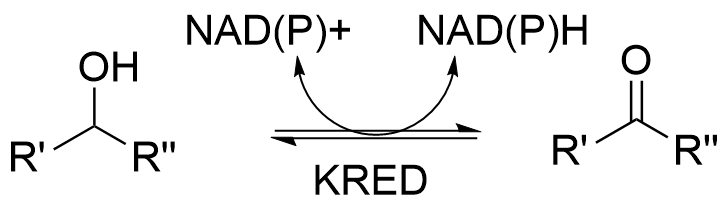
Ketoreductase
Enereductase
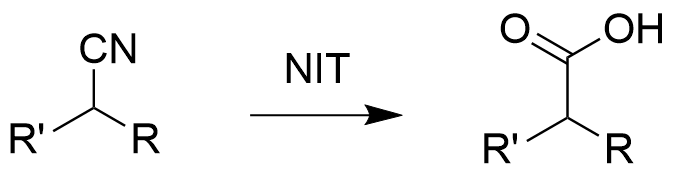
Nitrilase
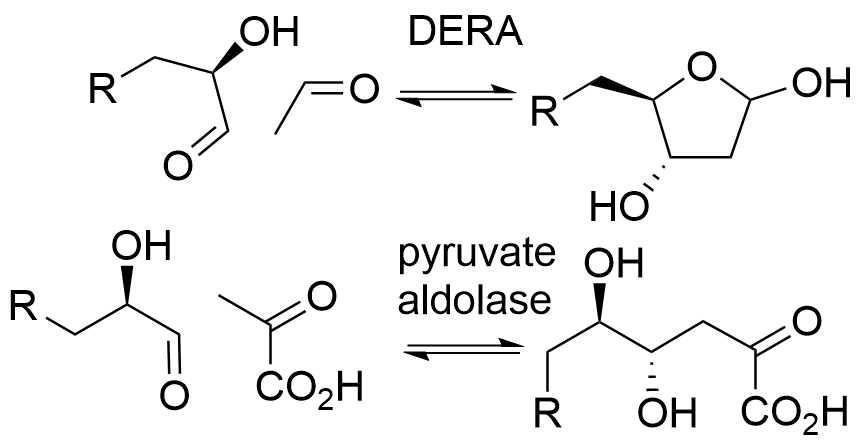
Aldolase
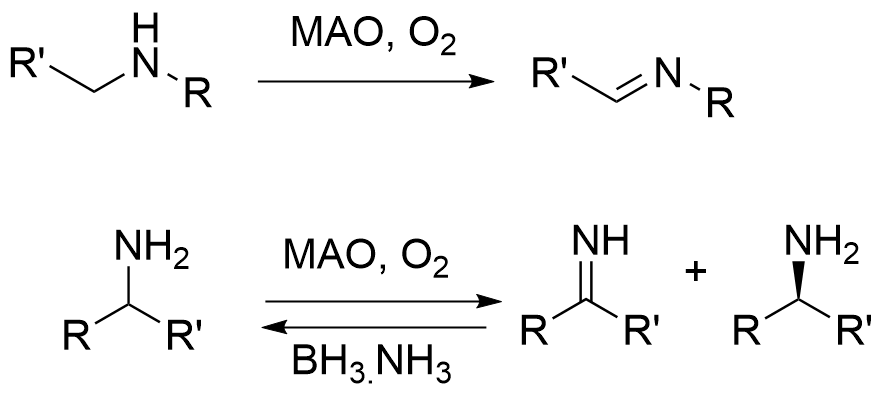
Monoamine Oxidase
Baeyer-Villiger Monooxygenase
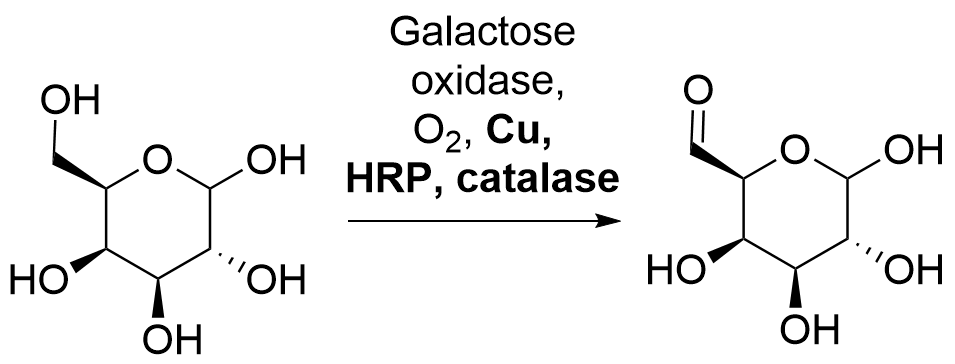
Alcohol Oxidase
Iminereductase
Nitrile Hydratase
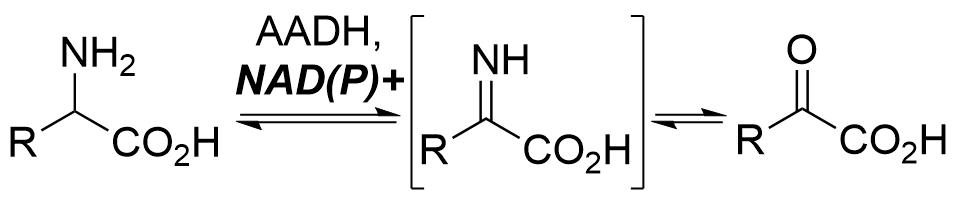
Amino Acid Oxidase
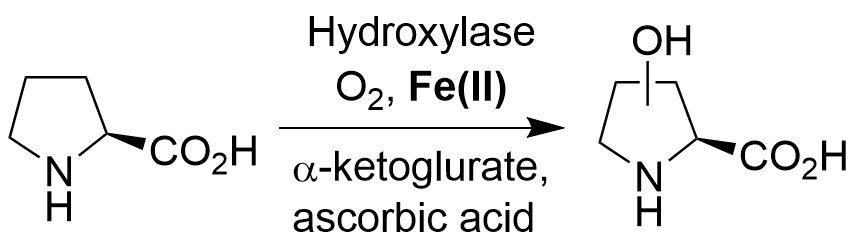
Amino Acid Hydroxylase
Tryptophan Synthase (TrpB)
Unspecific Peroxygenase
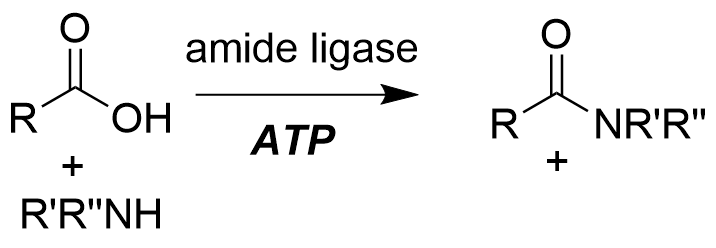
Amide Ligase/Synthetase

Contributors

David Entwistle1
Francesco Falcioni2
Richard Lloyd3
Katharina Neufeld4
Teresa O’Neill5
Tay Rosenthal6
Martin Schürmann7
Zara Seibel1
Juan Velasquez8
Hao Wu9
Christiana Briddell10
Isamir Martinez10

1Codexis Inc., 200 Penobscot Drive, Redwood City, CA 94063, USA

2AstraZeneca, 1 Francis Crick Ave, Cambridge, CB2 0AA, UK

3GSK, Gunnels Wood Road, Stevenage, Hertfordshire, SG1 2NY, UK

4Johnson & Johnson Innovative Medicine, Turnhoutseweg 30, 2340 Beerse, Belgium at the time of contribution, now at Lesaffre, 101 Rue de Menin, 59700 Marcq-en-Barœul, France

5Zoetis, 333 Portage St. Kalamazoo, MI 49007, USA

6Corteva Agriscience, 9330 Zionsville Road, Indianapolis, IN 46268, USA

7InnoSyn B.V., Urmonderbaan 22, 6167 RD Geleen, The Netherlands

8Merck & Co., Inc. 126 East Lincoln Avenue, Rahway, NJ 07065, USA

9Bohringer Ingelheim Pharmaceuticals Inc., 900 Ridgebury Road, Ridgefield, CT 06877, USA at the time of contribution, now at Pfizer Inc., 22515 – 29th Drive Southeast, Bothell, WA 98021, USA

10American Chemical Society, 1155 Sixteenth St. NW, Washington, DC, USA 20036

Related Articles

The Evolving Landscape of Industrial Biocatalysis in Perspective from the ACS Green Chemistry Institute Pharmaceutical Roundtable

The Evolving Landscape of Industrial Biocatalysis in Perspective from the ACS Green Chemistry Institute Pharmaceutical Roundtable. Francesco Falcioni*, Luke Humphreys*, Richard C. Lloyd*, Hao Wu, Isamir Martinez, Jonathan Jones, Shane McKenna, Katharina Neufeld, Ryan M. Phelan, Tay Rosenthal, Christophe J. Szczepaniak, Kumiko Yamamoto, Scott P. France, and Anna Fryszkowska. ACS Catal. 2025, 15, 12, 10780–10794. https://doi.org/10.1021/acscatal.5c01646.